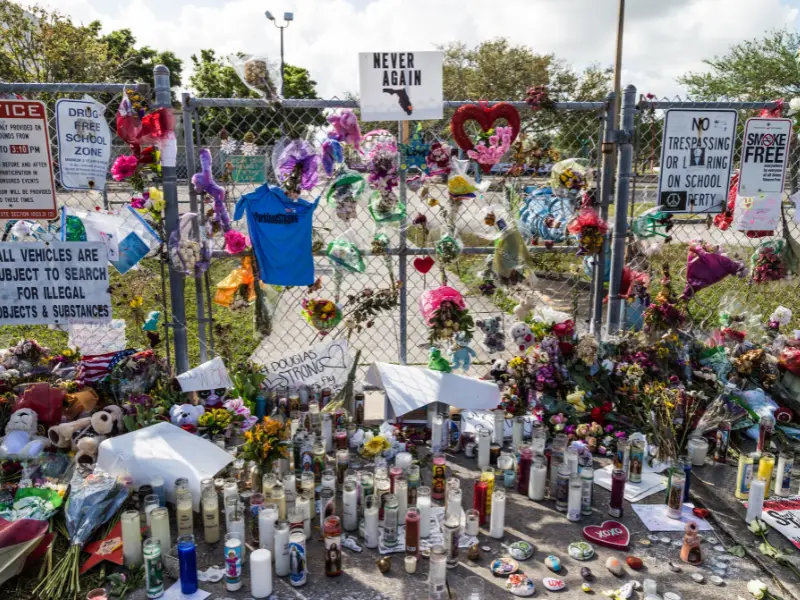
Over the years, I’ve studied the backgrounds of people who committed mass shootings in the United States. I have even spoken with some of the shooters. My research includes the causes of mass shootings and possible ways to prevent these tragedies. Through this work, I discovered patterns that can help us understand—and ultimately prevent—violence.
Why Mass Shootings Happen: The Research
I became interested in understanding violence and how to stop mass shootings after seeing a troubling pattern. Many people facing serious charges, including murder, had endured difficult pasts. They often faced trauma, like abuse or losing a loved one. This led them down dark paths. I chose not to focus on punishment. Instead, I wanted to find ways to stop people from reaching this point. This is why I founded The Violence Project—to understand the causes and prevent mass shootings.
To help with this work, The Violence Project created a database with information on over 200 mass shooters since 1966. We compiled details about each shooter’s background, the guns they used, and the people affected by these tragedies. Researchers, policymakers, and others now use this database to find ways to reduce violence.
Who Are Mass Shooters: Common Patterns
From this research, I found that most mass shooters aren’t random strangers. Instead, they’re “insiders.” They are part of the communities they target, like schools or workplaces. For example, many school shooters are actually students at the school. Knowing this lets us spot early warning signs and act before tragedy strikes.
After studying these cases, I found four main stages that many mass shooters go through before committing violence.
- Early Trauma: First, many mass shooters have troubled childhoods. They often suffer abuse, neglect, or the loss of a loved one. This early pain often leaves them feeling alone and hopeless as they grow older.
- Crisis Point: Next, as young adults, they often reach a crisis point. They may become isolated or feel like they don’t belong. This can lead to depression or suicidal thoughts. For some, committing a violent act feels like a way to end their own pain.
- Social Influence: Many shooters are inspired by others who did similar acts. They often become fixated on famous shooters from the past. Some join dark online communities that talk about violence as if it’s acceptable. It makes them feel justified in their plans.
- Access and Target: Finally, mass shooters tend to target places that they believe have wronged them, like a school or workplace. They often get weapons from familiar sources, such as family members or online.
By understanding these stages, we can better see where and how to stop mass shootings. By helping people in crisis, we give them a chance to find hope before they reach a breaking point.
How We Can Prevent Gun Violence
The good news is that we can prevent gun violence. I asked the mass shooters I studied if anything could have stopped them. Many offenders said yes—a single person reaching out could have changed everything. They would have stopped if someone had reached out and shown that they cared. This highlights how important personal connection and kindness can be. I’ve seen several ways that we can work together to prevent violence in our communities:
- Support During Crisis and Preventing Suicide: First, we must recognize signs of crisis, like mood changes or isolation. This helps us get people the support they need. Preventing suicide is crucial. If someone wants to live, they are less likely to commit acts that could end their life, like a mass shooting.
- Anonymous Reporting Systems: My data shows that most school shooters told someone about their plans. Anonymous reporting systems let students share concerns safely. This makes it easier to prevent a tragedy. Sandy Hook Promise’s anonymous reporting system is a great example of this approach.
- Building Positive Connections: When young people feel isolated, they’re more at risk. Schools and communities can help. They can create welcoming environments where students feel seen and valued. I found that larger schools, where students often feel invisible, have more incidents of violence. Even simple actions, like sitting with someone at lunch, can make a big difference.
- A Kind Response, Not Just Punishment: Instead of punishing students who make threats, I suggest helping them. They should understand the seriousness of their words. We should also offer support. For example, my team is testing a “care team” approach in a Minnesota school district. It focuses on support, not punishment, for students in crisis.
How Data Helps Us Understand Gun Violence
This database on mass shooters helps us see where we may have missed chances to prevent violence. In fact, most mass shooters had been noticed by police or mental health workers before their actions. Knowing this helps us focus on training people to recognize early warning signs and act.
My team and I are also working with partners like Sandy Hook Promise. We are studying new issues, like how harmful online content might influence young people. There’s much to learn. But organizations like Sandy Hook Promise are leading the way. They are turning research into real solutions.
A Future Free of Mass Shootings Is Possible
In the end, my research reminds me that mass shootings aren’t inevitable. This shows that preventing violence isn’t just about new gun laws or increased security. It’s also about making sure that everyone feels valued and seen.
In one of the interviews, a perpetrator shared this: “Anyone could have stopped me, but there was no one.” That quote sticks with me because it shows how impactful one human connection can be. We don’t have to wait for someone else to make things better. By reaching out, listening, and caring, we can help stop mass shootings. We can make our communities safer for everyone.
Dr. Jillian Peterson was the principal investigator on a three year grant from the National Institute of Justice examining the psychosocial histories of public mass shooters. Her book based on this research, The Violence Project: How to Stop a Mass Shooting Epidemic, is the winner of the 2022 Minnesota Book Award for nonfiction. Learn more about her work and our Board of Directors.