UnTargeting Kids

Stop Gun Marketers from Advertising to Kids

UnTargeting Kids

A Call for Platform Transparency — Putting Parents Back in Charge of Firearm Safety

Firearm Marketers Have a Target They Don’t Want You to Know About: Our Children

Firearm Marketers Have a Target They Don’t Want You to Know About: Our Children

Gun manufacturers are actively and intentionally marketing firearms to children under 18 years old with “R-rated” content on guns. And they’re doing it through ads and social media influencers — without parental knowledge or consent.

Firearm Marketers Have a Target They Don’t Want You to Know About: Our Children

Firearm Marketers Have a Target They Don’t Want You to Know About: Our Children

Children under 18 years old are being exposed to firearm marketing and content, including dangerous “R-rated” contents. This is happening through social media platforms — without parental knowledge or consent.


Sandy Hook Promise’s UnTargeting Kids report revealed the ways in which firearm marketing and content reaches young people through social media platforms, making unsafe gun behavior seem normal.


A new nonpartisan report by Children and Screens, supported by Sandy Hook Promise, urges digital platforms to provide more information to help families navigate youth exposure to firearm content. A Call for Platform Transparency — Putting Parents Back in Charge of Firearm Safety lays out solutions to help families make informed choices, regain control, and keep their kids safe.

Firearm marketing and advertisement of the JR-15 semi-automatic rifle.

Manufacturing Kid-Sized Weapons of War

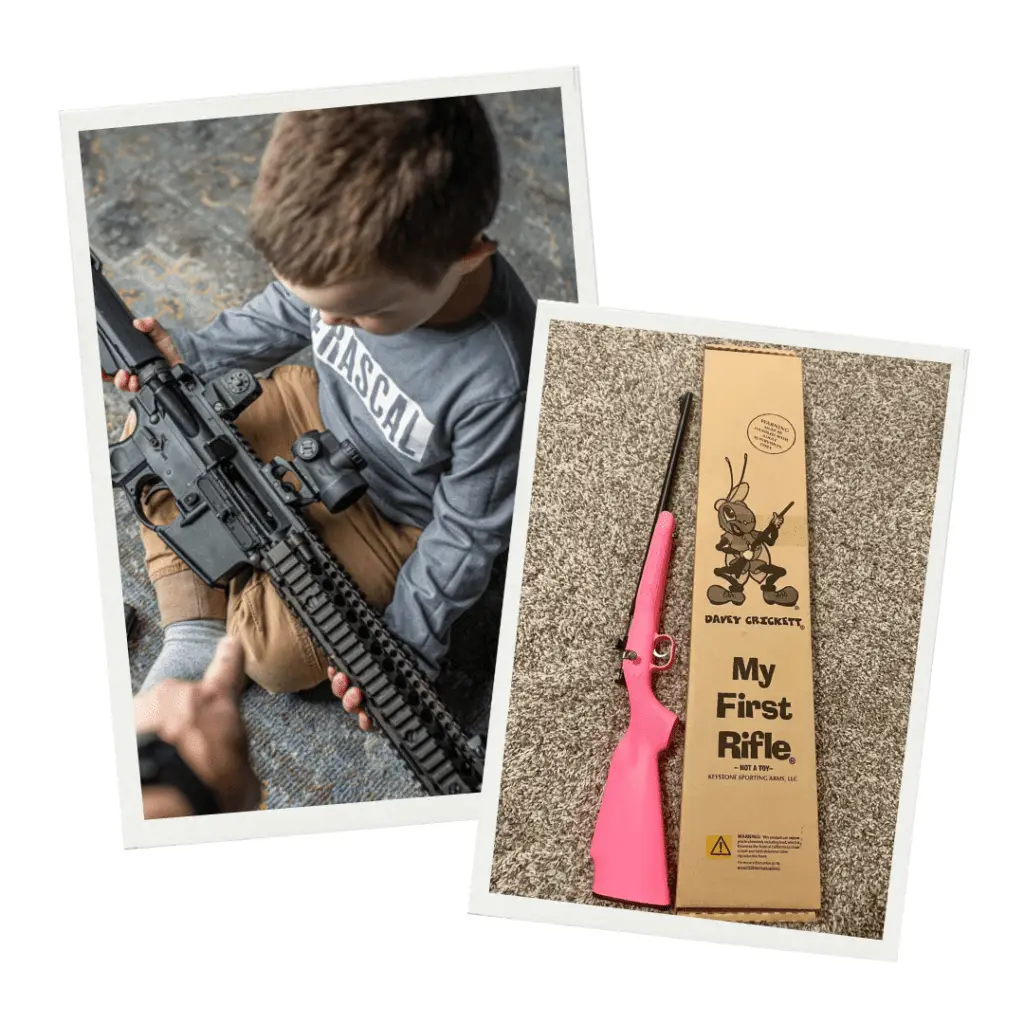
Gun makers are developing weapons specifically sized for kids, including a child’s version of the AR-15 semi-automatic rifle.

Untargeting kids report banner image

Exploiting Children's Innocence

Kids are not little adults. Their brains and impulse control are not yet fully developed. They are more vulnerable to advertising.

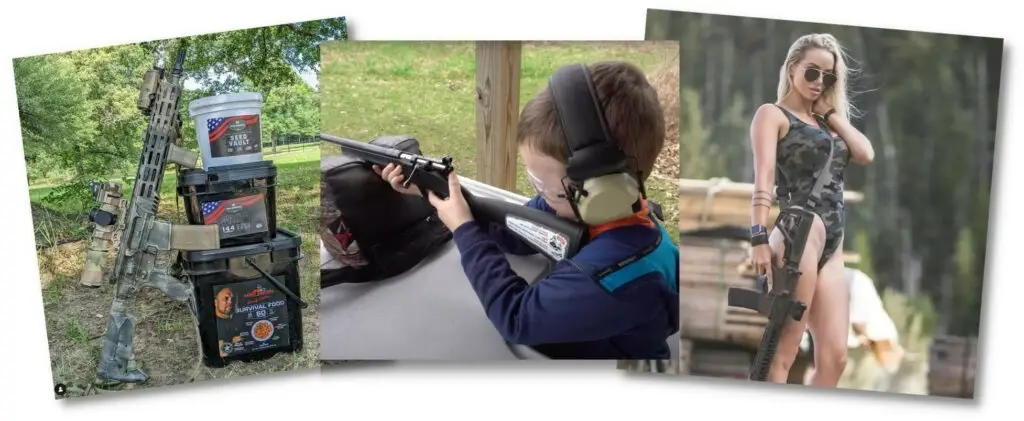
Examples of firearm marketing advertisements.

Aggressive Tone – Be a "Real Man"

Advertisements send a message to kids — particularly teen boys — that owning a firearm will make them strong and powerful.

What’s New: A Call for Platform Transparency

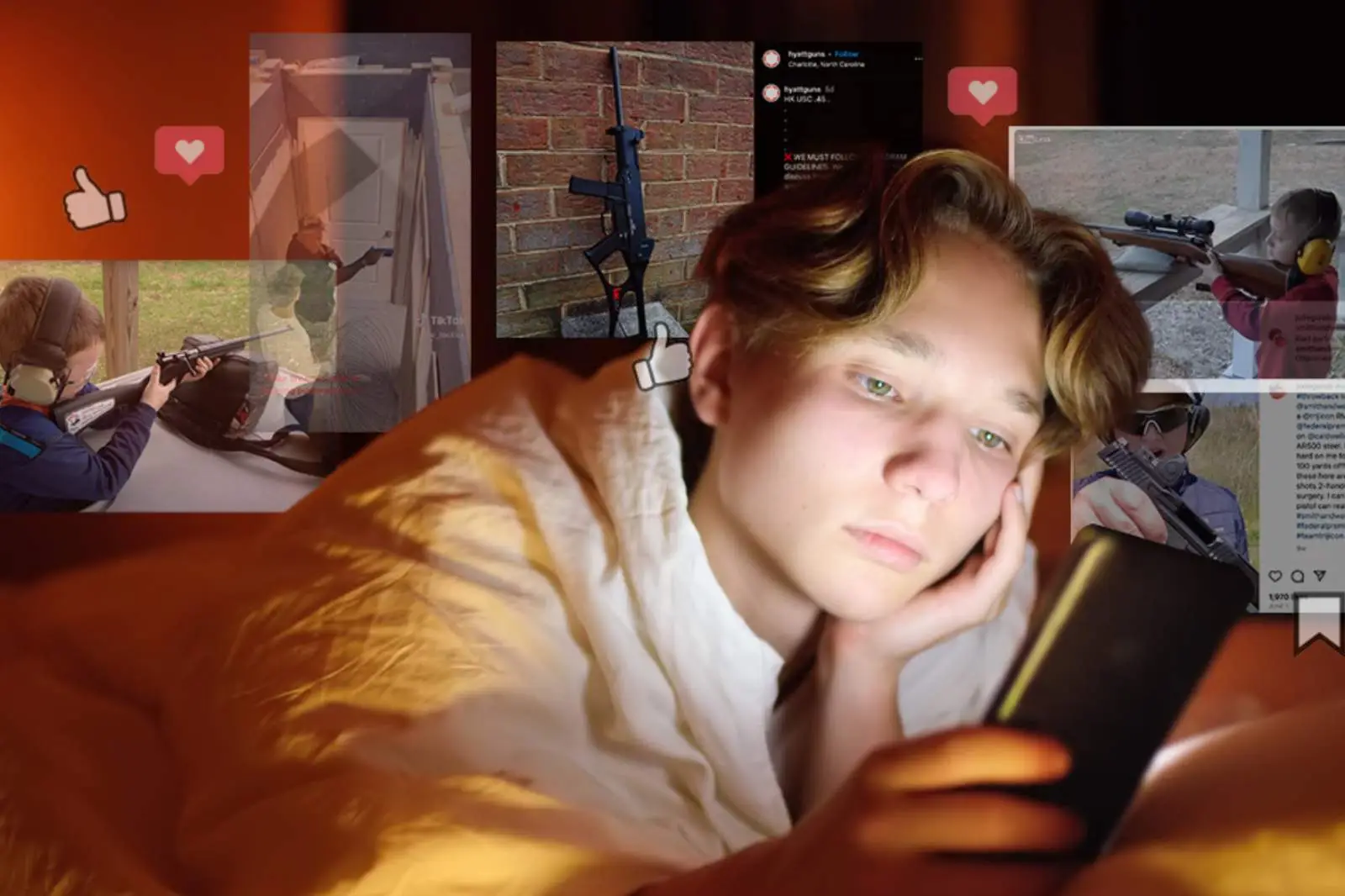
What Kids Are Seeing Online

  • Young people can come across gun content even when they are searching for unrelated topics, like gaming or entertainment videos.
  • Gun-related content is often shown alongside sexualized or graphic images.
  • Videos showing unsafe gun handling — such as poor trigger discipline or waving firearms — are regularly recommended to youth.
  • Some child and youth influencers sometimes promote or make firearm content seem safe.

Parents — not algorithms, not weapon sellers, and not gun influencers — should be in charge of teaching their kids about firearms.

A Call for Platform Transparency: Putting Parents Back in Charge of Firearm Safety report uses firearm‑related content as a test case to examine how social media platforms expose children to potentially harmful material — often without parents’ knowledge.

Platform Transparency Solutions

There Are Solutions — Parents Shouldn’t Have to Figure This Out Alone

Improving Social Media Transparency Around Six Factors Better Protect Kids

  1. Exposure & Engagement
    What is the frequency with which children under the age of 18 are exposed to firearm content, and how do they interact with it?
  2. Demographic Targeting
    Do platforms use age, gender, race, or location to determine who is exposed to gun content?
  3. Mental Health Profiling
    Are indicators of emotional or mental health used to restrict firearm content?
  4. Safety Standards in Content
    What proportion of firearm content shows dangerous or unsafe behavior?
  5. Influencer Visibility
    Which gun influencers are recommended to youth?
  6. Content Pathways
    What searches or content streams lead kids to firearm content intended for adults?

Parents deserve clarity. Kids deserve safety. Platforms can help provide both. Learn more about how to protect children from harmful firearm content.

Groundbreaking Report Exposes How Guns Are Being Aggressively Marketed to Kids

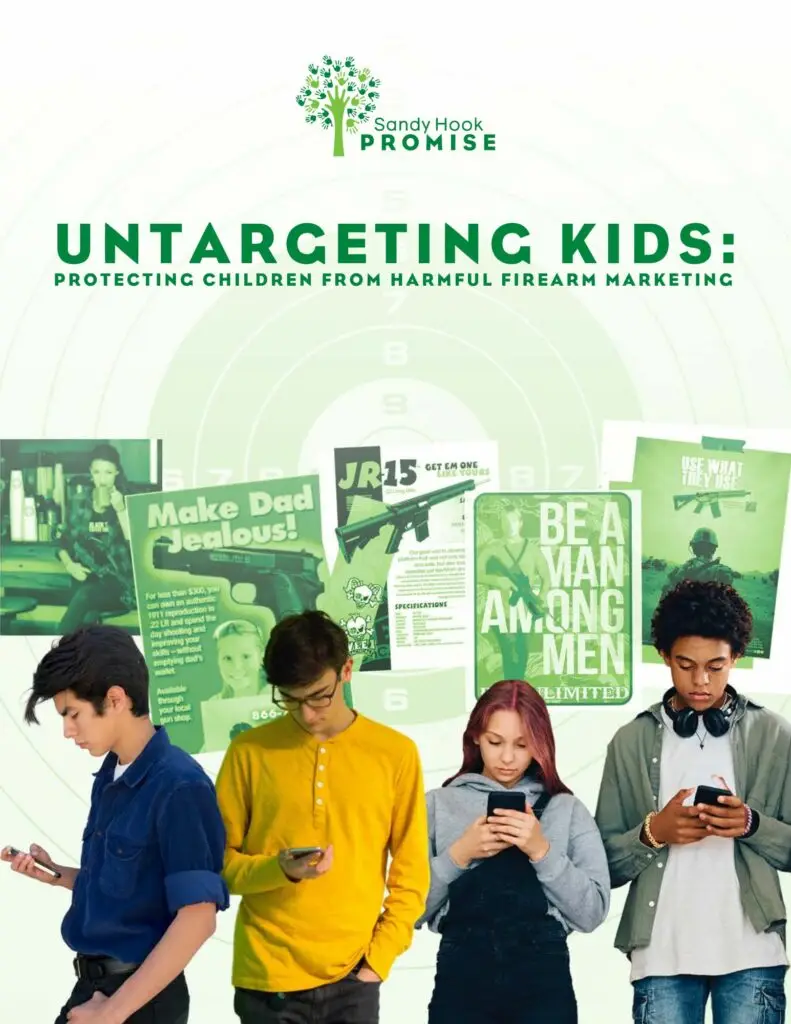
Report cover of UnTargeting Kids: Protecting Children from Harmful Firearm Marketing

Our report, UnTargeting Kids: Protecting Children from Harmful Firearm Marketing, shows how aggressive marketing of firearms to children contributes to gun violence. From Sandy Hook to Parkland to Uvalde, there’s evidence that disturbed young people were inspired by this violent marketing. That’s why concerned parents and community members like you must help stop this dangerous kind of marketing.

The report features alarming documents uncovered from the Remington Arms, LLC vs Sandy Hook victims’ families lawsuit that exposed the gun manufacturers disturbing marketing practices. It also includes expert research from marketing, psychology, and gun violence prevention experts.

How Gun Marketing Shifted To Target Our Kids

For generations, many parents in America have taught their children to shoot and store guns safely. Firearms marketing often reflected family values, hunting, and good sportsmanship. But the industry took an explicit turn to build a youth market for their semi-automatic weapons, fueled by private investment looking to maximize returns. That shift was marked by combat-focused messaging and R-rated imagery. It’s no coincidence that our nation has experienced a huge spike in firearm deaths and mass shootings just as gun marketing became more violent.

Firearm marketing should not depict illegal activity including illegal drug use, alcohol abuse, sexual harassment, or hate speech or create an association with anti-social or dangerous behavior.

Marketing Channels Aimed At Kids

Firearm marketing on social media.

Social Media

Even though users are officially required to be at least 13 years old, nearly 40% of children ages 8-12 report social media use.

Firearm marketing in television and movies.

TV / Movies

A review of 250 episodes of popular, scripted television shows found that 60% included firearm-related content.

Firearm marketing in video games.

Video Games

Firearm manufacturers license their brands for use in video games, earning free exposure to children.

Junior Shooters magazine cover

Print

Junior Shooters is a magazine and website marketed to kids as young as 8 years old, with “articles for juniors by juniors.”

How Gun Makers Exploit Children’s Innocence

Kids are not just little adults. The brains of both children and teenagers are different than adult brains. This makes young people biologically more vulnerable to advertising. Their impulse control isn’t fully developed either, making them more likely to engage in risky behavior.

Firearm marketers exploit these tendencies in advertising, using tactics that were successfully used, and later banned, in marketing alcohol and tobacco to minors. Because teens crave social connection and peer approval, they are highly susceptible to the marketing techniques that are common across today’s social media platforms.

Untargeting kids report banner image

Kid-Sized Weapons of War

In recent years, firearm manufacturers have begun developing weapons specifically for children. Last year, the company Wee 1 Tactical debuted the JR-15, a child’s version of the AR-15 semi-automatic rifle.

In addition to firearms sized for kids, law enforcement officials are also concerned about the increase in ghost guns and other privately made firearms (PMFs), which can easily be bought and learned about online. Tragically, at least four school shootings have been committed by teenagers using PMFs.

Collage of firearm marketing with Urban Super Sniper and Daniel Defence

Aggressive Tone in Marketing Suggests to Youth They Can Only Be a “Real Man” With a Military-Style Semi-Automatic Weapon

Firearm advertisements often equate gun ownership with manhood. Firearm manufacturers are trying to send a message to kids—and particularly teenage boys—that owning a firearm will make them a strong and powerful man.

As psychologist Dr. Jillian Peterson explains, “This type of messaging is particularly problematic for young men who have experienced trauma, are socially isolated, or otherwise in crisis. Social media content that suggests that an assault weapon will make them powerful or attractive to beautiful women can be a dangerous message to a vulnerable teenager.”

Gun marketing should not use graphic or gratuitous nudity, overt sexual activity, promiscuity, or sexually lewd images or language, or rely upon sexual prowess or sexual success as a selling point for the brand.

Kids Should Not Be the Target of Firearm Marketing

Our kids are too young to drive, vote, drink alcohol, serve in the military, or legally purchase a firearm under federal law. Research shows that they are biologically more vulnerable and susceptible to advertising, and they’re more likely to engage in risky behavior.

Despite this, they are receiving deceptive, aggressive messages from gun manufacturers through marketing loopholes, social media influencers, and video games.

Gun owners and non-gun owners alike can agree that kids should not be the targets of firearm marketing, especially content designed for adults that should only be viewed by adults.

Marketing Tobacco and Alcohol to Minors Have Been Banned. However, Marketing Guns to Youth Has Not Yet Been Banned.

Untargeting Kids Report illustration

Responsible Marketing Guidelines

All companies marketing the sale of firearms should adhere to responsible practices across all advertising that ensure children are protected from harmful content. We call on the industry to adopt and implement the following guidelines. We call on media platforms hosting marketing, such as social media platforms, to uphold these minimum standards. Our guidelines have all been modeled across multiple commercial industries and represent the basic principles of responsible marketing.

Marketing Content Should:

1. Only direct marketing to adults over the legal age to purchase a firearm, and promote firearm use in a responsible manner.

2. Not depict objects, images, game-like or cartoon figures that primarily appeal to children under the legal purchase age.

3. Not promote, depict, or encourage illegal, irresponsible, or unsafe use of firearms.

4. Not show illegal activity including the use of drugs, alcohol abuse, violent crimes, sexual harassment, indecent exposure, or hate speech.

5. Not create an association with anti-social or dangerous behavior.

6. Not promote firearm purchase as a “rite of passage” to adulthood or claim a person can obtain social success due to purchase of the product.

7. Not use graphic or gratuitous nudity, overt sexual activity, promiscuity, or sexually lewd images or language.

8. Not rely upon sexual prowess or sexual success as a selling point for the brand.

9. Not degrade the image, form, or status of women, any religion, race, sexual orientation, physical or mental disability.

10. Ensure that influencers or endorsers receiving paid or in-kind incentives for marketing adhere to these same marketing standards and disclose any financial relationship with a firearm brand.

Our Report Exposes How Guns Are Being Aggressively Marketed To Kids

Download

Read the Groundbreaking Report

Stop Dangerous Tactics Used To Explicitly Market Firearms To Youth

Sign the Petition

Take Action to Help UnTarget Kids

Join Our Movement

Stay informed on what Sandy Hook Promise is doing to help prevent gun violence in schools, homes and communities.